
Boston Team Spotlight: The First Season of Legacy FC
Boston has long been a city defined by its rich sports culture. From the Celtics to the Red Sox, its fans and players have fostered an environment full of passion and devotion. However, the city has long been lacking in women’s soccer. The last women’s pro team based in Boston were the Breakers, which folded back in 2017. Until now, fans still mourning the loss of their team have turned eagerly to the rising hometown squad.
The new Boston Legacy FC attempts to create its own footing within that culture. Playing its inaugural season in the National Women’s Soccer League (NWSL), the highest level of women’s professional soccer in the United States, the team has faced both challenges and excitement.
Led by head coach Filipa Pãtao, a Portuguese soccer manager who has won five consecutive titles at Benfica, Boston Legacy FC aims to establish itself as a competitive team in the league. However, beyond winning matches, the club faces a different path ahead: building a developed roster and unique identity that can represent Boston. The lineup is already packed with talent, such as international NWSL newcomers Amanda Gutierres and Aissata Traore, as well as experienced veterans like U.S. national team goalkeeper Casey Murphy.
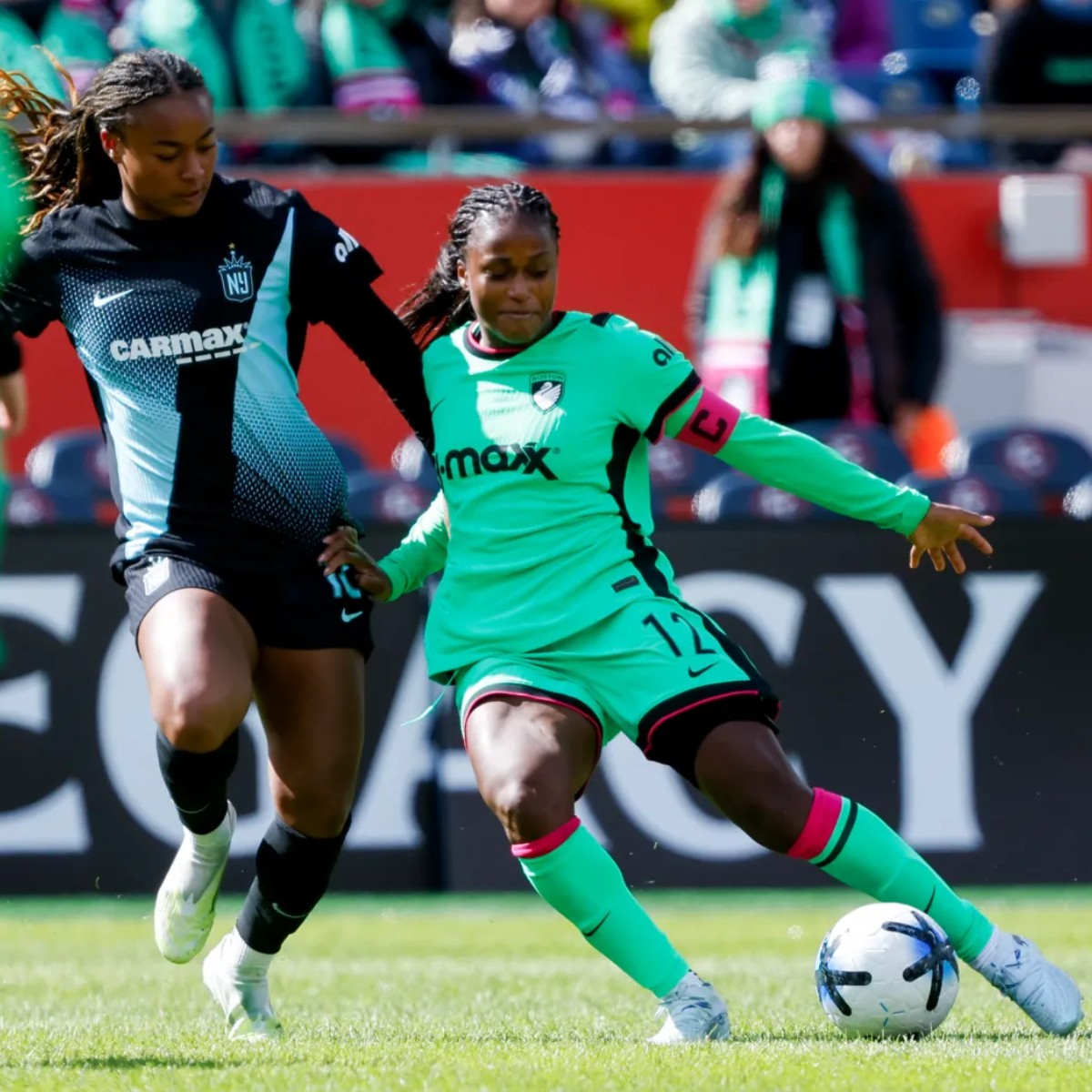
Although new to the NWSL landscape, The Legacy have wasted no time making themselves known throughout the league in classic Boston fashion. This is evident in the team’s playstyle: unforgiving aggression. The team led the NWSL in yellow cards this year, a testament to their grit. The playstyle is also reflected in the atmosphere of Legacy home games. Home matches consist of supporter sections cheering, yelling, and honking in a desperate attempt to not only support their side, but also throw off the concentration of the opposing team. When asked about the team’s aggressive playstyle, Murphy stated, “We want people to come to Boston and hate it,” emphasizing the team’s determination to make every match difficult for opponents.
The club’s first season has also presented challenges off the field. With its future home, White Stadium, being under construction, the Legacy has been forced to split home games between Gillette Stadium and Centreville Bank Stadium in Rhode Island. Despite the venue changes, though, fans have supported the team through a rough year: the inaugural match drew over 30,000 spectators, a feat that demonstrates the demand for professional women’s soccer in Boston after a decade-long drought.
As the Legacy continues to navigate through its inaugural season, its biggest challenge may not be winning games, but establishing a deep, lasting connection with its city. With a permanent home on the horizon and a passionate fanbase, the foundations to this connection are starting to take shape. Whether the team can transfer its early enthusiasm into long-term success is uncertain, but its arrival does mark a new chapter for women’s soccer in Boston, one filled with both opportunity and expectation.