
Staying out Later, Earlier: Fourth Formers Deserve 8-10
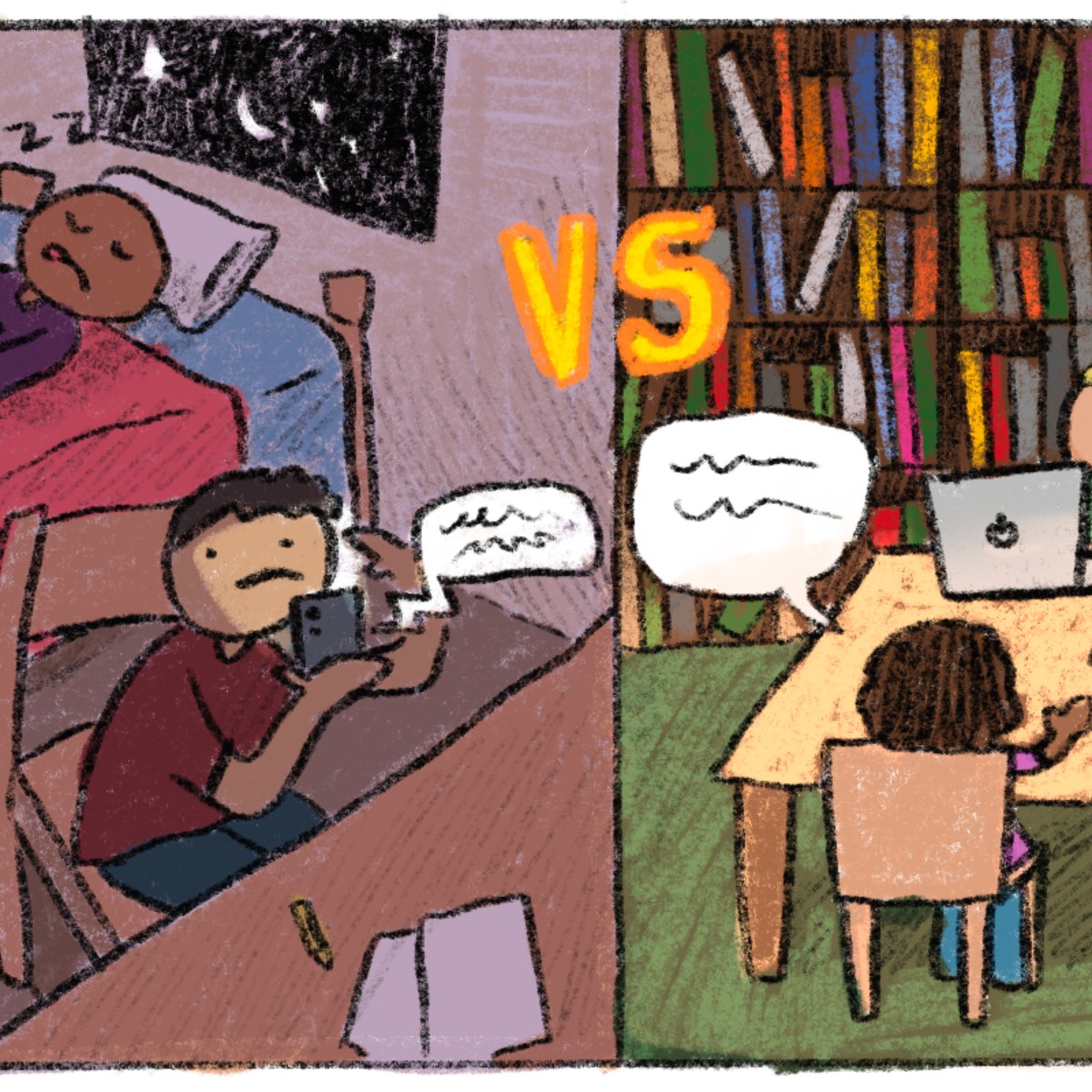
Going into Fourth Form, one of the things we were most excited for was to have “Upper School privileges”: free blocks, being able to return to the dorm during the school day, and most of all, the elimination of our dreaded evening study halls.
And yet, two months into the school year, it is apparent that the Fourth Form study hall system is evermore restricting and unproductive. Thus, we believe that study hall should be abolished for Fourth Formers who have been selected to the honor roll the previous term.
Third Form is a year for incoming students to “figure it out.” Classes are easier, your work load is lighter, and most importantly, you have the freedom and time to make mistakes. Through this year of trial and error, however, students also discover their individual working style and preferences, establishing routines that are beneficial to their learning. Where on campus do you work best? Is working with peers constructive to your studying? For students who already know the answers to these questions, rigid restrictions imposed by the school can disrupt best practices.
Studying in one’s room can often be highly distracting and unproductive. Dorm environments are often filled with distractions, such as the allure of taking a cozy nap on your bed, or doomscrolling as you snack at your desk. Groton dorms are a space for relaxation and time spent with friends; in contrast, the Schoolhouse is where classes take place, tests are studied for, and the majority of the academic day is spent. This simple difference in setting and the shift in mindset it denotes can determine the productivity of a study session.
Moreover, the Schoolhouse can accommodate a wider range of working styles. For instance, if you prefer to study alone in a quiet and secluded space, you may choose to go to Stacks, or a white-board room. On the other hand, if working in an environment with peers helps to keep you motivated, you may opt for the Fourth Form bubbles that overlook the forum or the desks near the clock tower as preferable working spaces. Study hall does not accommodate these preferences, as you are trapped in your room—the choice is made for you.
“I find studying outside my room much more productive, and it would also allow me to collaborate with peers outside my dorm,” notes Fourth Form student Jackson Nacar ’29.
The privilege of 8-10 would not be granted to all students; only those who have earned a spot on the honor roll in the previous term would be eligible. In this way, the school can ensure that students who have already gained a grasp of their study habits and are self-driven can work unsupervised. This eliminates the possibility of 8-10 being used solely as an opportunity to goof off. Moreover, this privilege, like others, can easily be revoked if abused. Student eligibility can be reassessed at the end of each term, contingent on their continued honor roll status.
Study hall should be about helping students work effectively, not simply keeping them in their rooms—once students have shown the ability to take responsibility for their work, Groton should give them the opportunity to do so.