
Still Magical? Disney’s Struggle with Live-Action Adaptations
When one thinks of animated children’s films, Disney is the first name that comes to mind. The studio has filled many childhoods with empowering stories, beautifully designed worlds, and catchy tunes that remain stuck in our heads well into adulthood. Recently, however, Disney has tried to bring many of its iconic works into the modern era through live-action remakes, with varying degrees of success. While some remakes have earned praise on par with their originals, others have been met with indifference, making Disney’s live-action franchise a roller coaster with more lows than highs.
Here is how three of the most talked-about remakes measure up:
Starting off strong, Aladdin (2019), earned praise from critics and audiences for its vibrant recreation of Agrabah and for retaining the original’s major characters, unlike some other major Disney live-action remakes. The film kept all the iconic songs, such as “Friend Like Me” and “A Whole New World,” while introducing a new hit, “Speechless,” to the soundtrack. “Speechless” is used to explore Jasmine’s independence, strong will and intelligence as she advocates to become Agrabah’s first female sultan. The choice to develop Jasmine as a character outside of her relationship with Aladdin made for an empowering and relevant remake, while still capturing the spirit of the original. The new film was a major commercial success, earning an audience Rotten Tomatoes score of 94 percent.
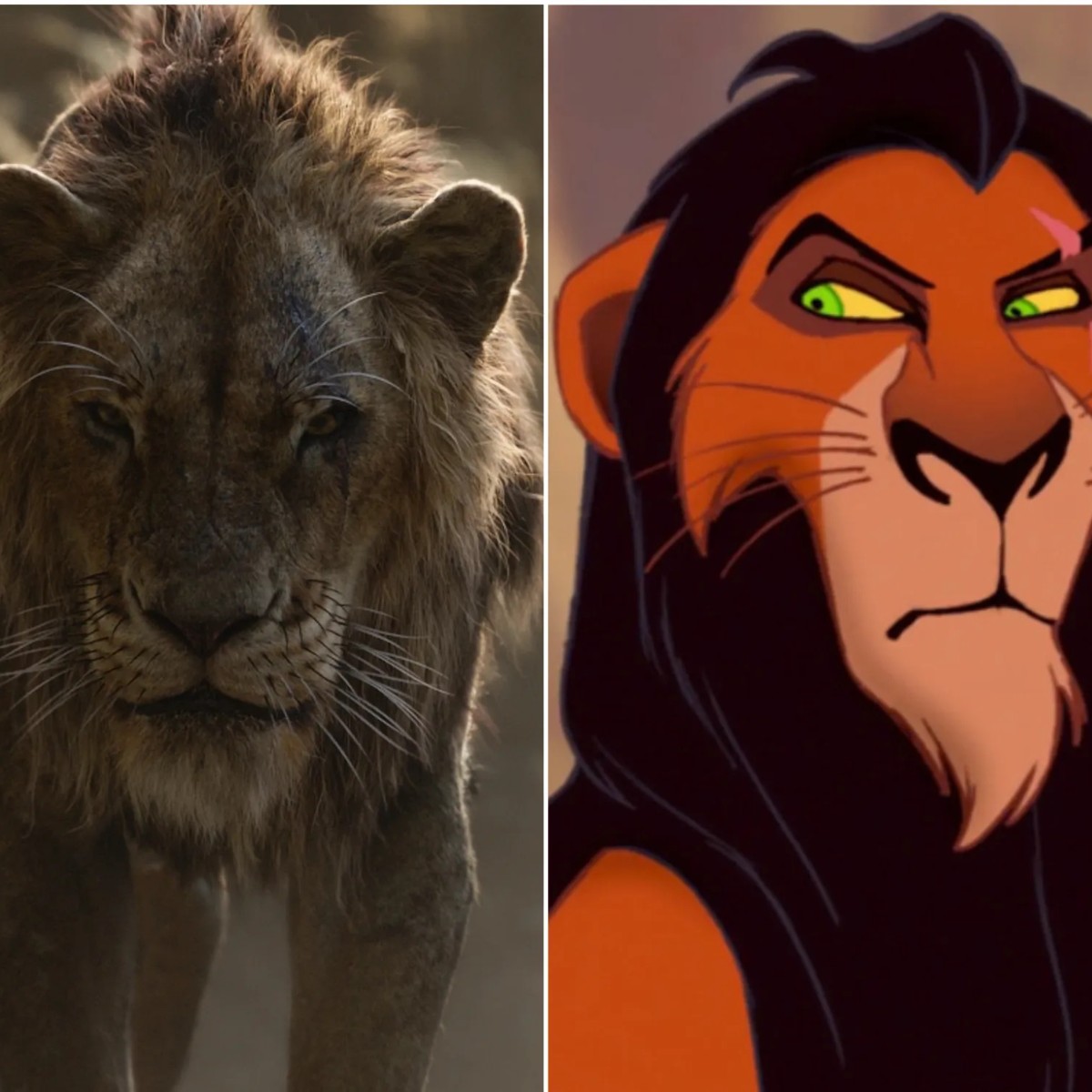
The Lion King (2019) arrived in theaters just a couple of months after Aladdin, but was met with much more criticism. Though the cast was promising, the hyperrealistic visuals seemed to take away the magic. By rendering the animals so realistically, the movie struggled to portray their emotions, with only a few slight eyebrow raises for shock and a lack of exaggerated movement. Though many viewers were in awe at the level of hyperrealism that the editors brought to the screen, the animals’ subtle expressions couldn’t evoke the same emotions of the originally hand-drawn characters.
Additionally, characters were stripped of their original designs. Scar is the most striking example: his iconic tan fur and jet-black mane were replaced with a beige coat, leaving only the scar on his eye to distinguish him from the other lions. Scar’s unfaithful redesign, along with the loss of emotion in the 2019 remake, left longtime fans and critics wanting more, highlighted by a 52 percent Rotten Tomatoes score from critics. The Little Mermaid (2023) drew a staggering amount of pushback, but for changes to its content, rather than its casting. The film faced backlash from the moment its trailer was released. Many viewers objected that African American actress Halle Bailey did not match the red-haired, fair-skinned Ariel of the original animation. Comments noting the race change spread across social media platforms like Tiktok so widely that director Rob Marshall made note of it in a 2022 interview with journalist Nick Romano for Entertainment Weekly!
Marshall said that there was no “casting agenda” for Ariel, and that he selected Bailey for the talent and skills the role required. The film itself had its highs, including Bailey’s impressive vocals, and its lows, such as muted visuals and underperforming CGI, but the casting backlash largely overshadowed both.
In all, Disney films like the aforementioned three have come and gone, many being met with disappointment or indifference. Whether it’s discontent about originally dynamic characters becoming lifeless and grim, or prejudice against a person of color taking on a traditionally white role, Disney’s classics seem to leave a better taste in audiences’ mouths when they stay in their animated past.